

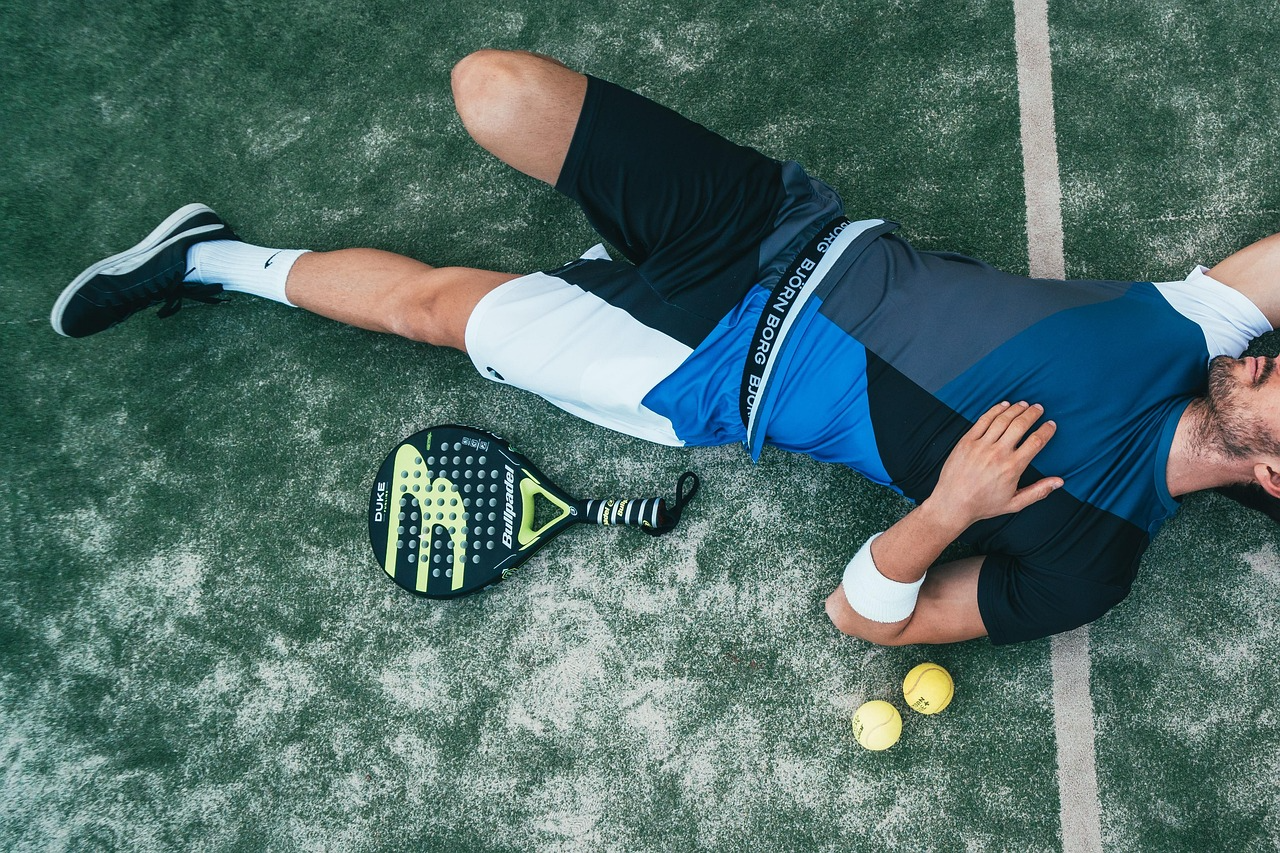
Athletic training has become more precise over the past decade. Athletes can measure sleep, nutrition, heart rate, even recovery cycles with precision. However, the training uniform is sometimes a second-level consideration.
In practice, sportswear is directly linked to the efficiency at which the body works under a load. Clothing that limits motion, traps heat, or is unable to support muscles can sabotage a disciplined training plan. Elite sportswear concentrates on three important design elements:
- Compression
- Breathability
- Flexibility
These aren’t just marketing words, they impact the movement, temperature regulation and endurance of athletes engaged in vigorous exercise.
Compression: Supporting Muscles Under Load
Compression technology has been an essential element of contemporary athletic wear because it addresses a particular performance issue: muscle fatigue. Muscles receive numerous impacts and vibrations during vigorous exercise. This may diminish productivity, even lead to exhaustion in the long run.
Compression garments exert a restrained pressure on the specified body parts. This force stabilizes the muscles and may enhance blood flow during movement. As circulation improves, working muscles get more oxygen to sustain a longer and more consistent training session. This is why athletes prefer compression apparel for activities like:
- Sprinting
- Strength training
- High-intensity conditioning
Functional design can also satisfy the needs of serious athletes, with performance-oriented brands like asrv popularizing compression mixed with contemporary training looks.
Breathability: Handling Heat and Moisture
The next important aspect of athletic performance is temperature regulation. Heat is a byproduct of metabolic process inside a human body, but its production increases during vigorous exercise. If not dissipated, this heat can cause discomfort and fatigue.
The solution to this problem is breathable fabrics. They permit air passage through the material which wicks away the sweat from the skin. This process keeps the athlete cooler, and minimizes the distraction caused by damp or heavy clothing.
Good breathability also facilitates extended workouts. When an athlete feels at ease, their focus remains on movement and technique and not on environmental stress. In the long run, regular comfort in training might aid in enhancing athletic performance by enabling them to have more prolific sessions.
Flexibility: Freedom of Movement
Athletic motion is complex. Sprinting, lifting, jumping, and cutting demand a full range of motion which tight clothes don’t allow. Sportswear should be flexible so that the garments do not move against the body but with it.
The modern sportswear uses stretchable fibres and uses ergonomic construction that conforms to the natural mechanics of the body. Strategic seam placement and elastic materials allow athletes to perform explosive movements without restriction. Such freedom is particularly essential in activities that demand agility and rapid directional changes.
Flexible clothes are also compatible with the other critical training choice, the appropriate footwear. Clothes that permit free movement are very effective in combination with the shoes that provide the right biomechanics. It creates a complete system that supports efficient athletic motion.
Endnote
Sportswear has evolved into an elegantly designed performance tool rather than a mere sports attire. Compression stabilizes, breathability controls temperature, and flexibility makes natural movement possible.
Each of these elements responds to a physiological need of athletes during training. When combined, these three pillars make sportswear more than a uniform. It becomes part of the athlete’s performance strategy, supporting endurance, comfort, and efficiency at every phase of training and competition.