

A colonoscopy is a standard medical procedure used to examine the lining of the large intestine. This procedure is a primary tool for the early detection of colorectal cancer and the management of chronic conditions such as inflammatory bowel disease. The accuracy of the examination depends heavily on the cleanliness of the colon.
When the intestinal walls are clear, the physician can use the digital camera on the end of the scope to identify small polyps or abnormalities. Effective preparation requires the patient to follow specific dietary and medicinal steps in the 48 hours leading up to the appointment.
Reviewing Your Medical Status
The preparation process begins with a thorough review of your medical history. Patients must inform their healthcare provider about all current medications and underlying health issues. For those researching colonoscopy Singapore providers or clinics in their own region, it is important to note that certain medications require adjustment before the procedure to ensure safety and clear results.
For example, patients taking blood thinners often receive specific instructions to pause or reduce their dosage several days in advance. This precaution minimizes the risk of bleeding if a polyp is removed during the scope. Additionally, patients with diabetes may need to adjust their insulin or oral glucose medications because the preparation involves a significant change in caloric intake. If a patient is currently experiencing bacterial or viral infections, the physician may choose to reschedule the procedure to ensure the body is in a stable condition for sedation.
Two Days Before the Procedure
Dietary changes start 48 hours before the scheduled appointment. At this stage, patients must switch to low-fiber foods. Fiber is the part of plant-based foods that the body cannot digest. While fiber is usually beneficial for gut health, it leaves residue in the colon that can obscure the camera’s view.
During this 24-hour window, patients should avoid whole grains, raw vegetables with skins, nuts, seeds, and fruits with small seeds like strawberries or kiwi. Instead, the diet should consist of refined carbohydrates and lean proteins. Suitable choices include white rice, white bread, and plain chicken breast without skin. These foods move through the digestive system quickly and leave minimal debris behind. Removing high-fiber items early makes the final stage of the cleaning process more efficient and less physically demanding for the patient.
The Day Before the Appointment
The day immediately preceding the colonoscopy is the most critical phase of the preparation. On this day, patients must stop eating solid foods entirely and transition to a liquid diet. This ensures that no new solid matter enters the digestive tract while the clearing process begins.
A clear liquid diet includes fluids that are transparent at room temperature. Patients may consume water, clear broths, apple juice, and plain gelatin. It is important to avoid any liquids with red, blue, or purple coloring. These dyes can stain the walls of the colon and mimic the appearance of blood or inflammation, which may lead to an inaccurate diagnosis. Staying hydrated is essential during this time, as the subsequent laxative phase causes the body to lose a significant amount of fluid.
The Bowel Cleansing Process
The most intensive part of the preparation is the bowel preparation itself. This typically starts in the late afternoon or evening before the procedure. The patient must consume a prescribed laxative drink designed to trigger frequent bowel movements. This solution flushes out all remaining waste from the colon.
Medical professionals usually recommend a split-dose regimen. The patient drinks the first half of the solution in the evening and the second half a few hours before the appointment at the medical center. This method is often more tolerable for the patient and results in a cleaner colon. It is normal to experience some abdominal pain or cramping and bloating as the laxative takes effect. Patients should remain near a restroom once they begin drinking the solution, as the urge to use the bathroom will be frequent and immediate. The goal is for the stool to become a clear or yellowish liquid, indicating that the colon is empty.
What to Expect on the Day of the Procedure
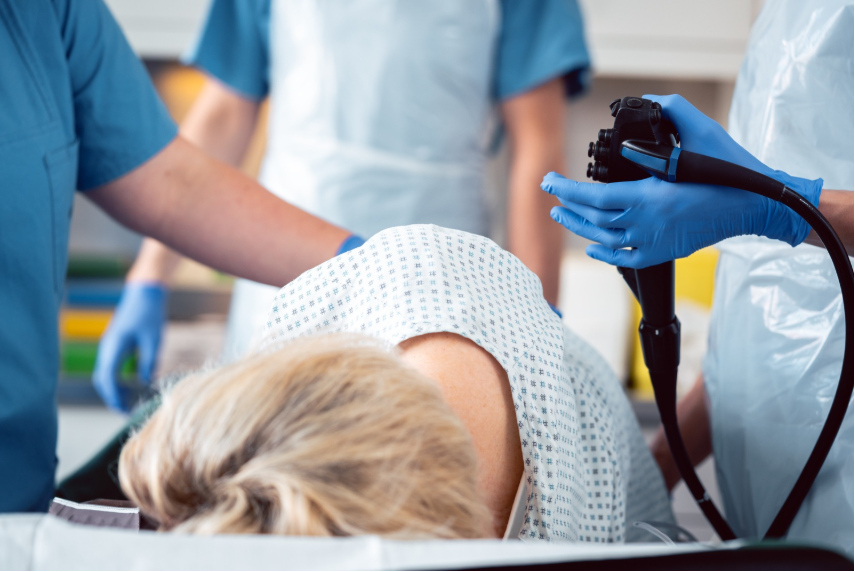
On the day of the colonoscopy, patients must remain fasting. This means no food or water for several hours before the arrival time, as required by the anesthesia team. Upon arrival, the clinical staff will confirm that the bowel prep was successful and review the final steps. If you are exploring the standards of modern healthcare, you will find that these procedures are designed to be highly efficient and patient-oriented.
The procedure itself is usually brief, often lasting less than 45 minutes. Because patients receive sedation to ensure comfort, they will spend time in a recovery area afterward while the medication wears off. Before leaving the facility, a nurse or doctor will provide specific discharge instructions. These instructions explain when the patient can resume a normal diet and which activities to avoid for the remainder of the day. Because of the lingering effects of sedation, patients are not permitted to drive themselves home and must have a responsible adult available to accompany them.
Conclusion
Preparation for a colonoscopy requires discipline and careful attention to detail. By managing medications, shifting to low-fiber foods, and following the liquid diet and laxative protocols, patients ensure the physician has the best possible view of the intestinal lining. While the process involves temporary discomfort, it is a necessary step for an accurate medical assessment. Following these guidelines helps the medical team provide a thorough examination and contributes to long-term digestive health.