
Solar panel adoption has risen significantly in recent years. With fluctuating energy prices, advancing technology, and rising environmental concerns, the choice has become more complex. Solar is an investment in resilience, long-term value, and energy independence. Here are the essential factors.
The Modern Value Proposition: More Than Just Electricity Bills
The main goal for most is to lower monthly expenses. A well-installed solar system reduces your reliance on the grid, resulting in substantial savings over 25 years or more. Integrating an electric vehicle charger allows you to power your car with your own solar energy, further enhancing the financial benefits.
Government policies make solar affordable. Federal and local tax incentives cut project costs. Increasing efficiency shortens payback times. Use a solar calculator tailored to your location and needs for a precise estimate. Talking with expert local contractors offers tailored insights for solar panels NZ.
System Design & Technology: The Core of Your Investment
The simple systems of the past, which only sent electricity directly to the grid, have been replaced by more advanced ones. Today’s home solar systems are packed with advanced technology. Modern solar PV panels are more efficient (convert more sunlight to electricity) and last longer. Installations now have additional key components that make the system more valuable:
1. Battery Storage
A battery storage system is a large, rechargeable battery installed at home. It stores any extra electricity your solar panels generate during the day for use at night, or during power outages (when your street loses power). This stored energy means your home has a backup source and helps limit use of costly selectricity from the grid during peak demand times.
2. Integrated System Design
Professional solar installers design a complete system by studying your roof’s angle and position to the sun (using satellite images or a physical inspection). They check if your home’s main electrical box needs upgrading. All parts, such as the inverter (which converts solar power into usable household electricity) and the charge controller (which manages battery charging), are carefully selected to match your energy needs and meet building code requirements.
3. Solar Thermal
Solar thermal systems utilize sunlight to heat water stored in a tank, rather than generating electricity. This is a very energy-efficient way to lower your water heating costs from gas or electric heaters.
4. Monitoring and Maintenance
A production meter is an electronic device that measures the amount of power generated by your solar panels. Trusted solar companies provide warranties (they pay for repairs if things go wrong) and maintenance services, ensuring your solar system keeps working and protecting your investment.
Beyond Finances: Resilience and Environmental Impact
The value isn’t solely monetary. Solar energy provides resilience, allowing your home to maintain power during grid failures with solar batteries.
Environmentally, on-site solar significantly reduces your carbon footprint (the total greenhouse gases produced by your household). Furthermore, the solar industry promotes local jobs and energy security. Some utilities even offer a renewable rider program, allowing you to purchase additional green power if your energy needs grow.
Enhance your home’s environmental impact by incorporating other sustainable practices. Replace water-intensive lawns with native plants to cut water and energy use. This complements energy efficiency upgrades.
The Installation Process: From Quote to Activation
Understanding the installation timeline and methodology can help ensure a smooth transition to solar electricity, with realistic expectations. The process typically follows these stages, taking anywhere from a few weeks to a few months, depending on complexity, permits, and provider scheduling.
1. Consultation & Custom Design (1-2 weeks)
After an initial quote, a qualified installer will conduct a detailed site assessment, often using satellite imagery and possibly a physical roof inspection. They will design a system tailored to your energy consumption patterns, roof layout, and goals (like adding an EV charger or battery storage).
2. Permitting & Approvals (2-6 weeks)
Your installer handles the necessary paperwork, which is a significant value-add of working with professionals. This includes securing building permits from your local council, submitting applications for grid connection approval to your local lines company, and formally applying for government incentives.
3. Equipment Procurement & Scheduling (1-3 weeks)
Once permits are approved, the installer orders the agreed-upon equipment (panels, inverter, battery, etc.) and schedules the installation crew. Lead times can depend on the availability of equipment.
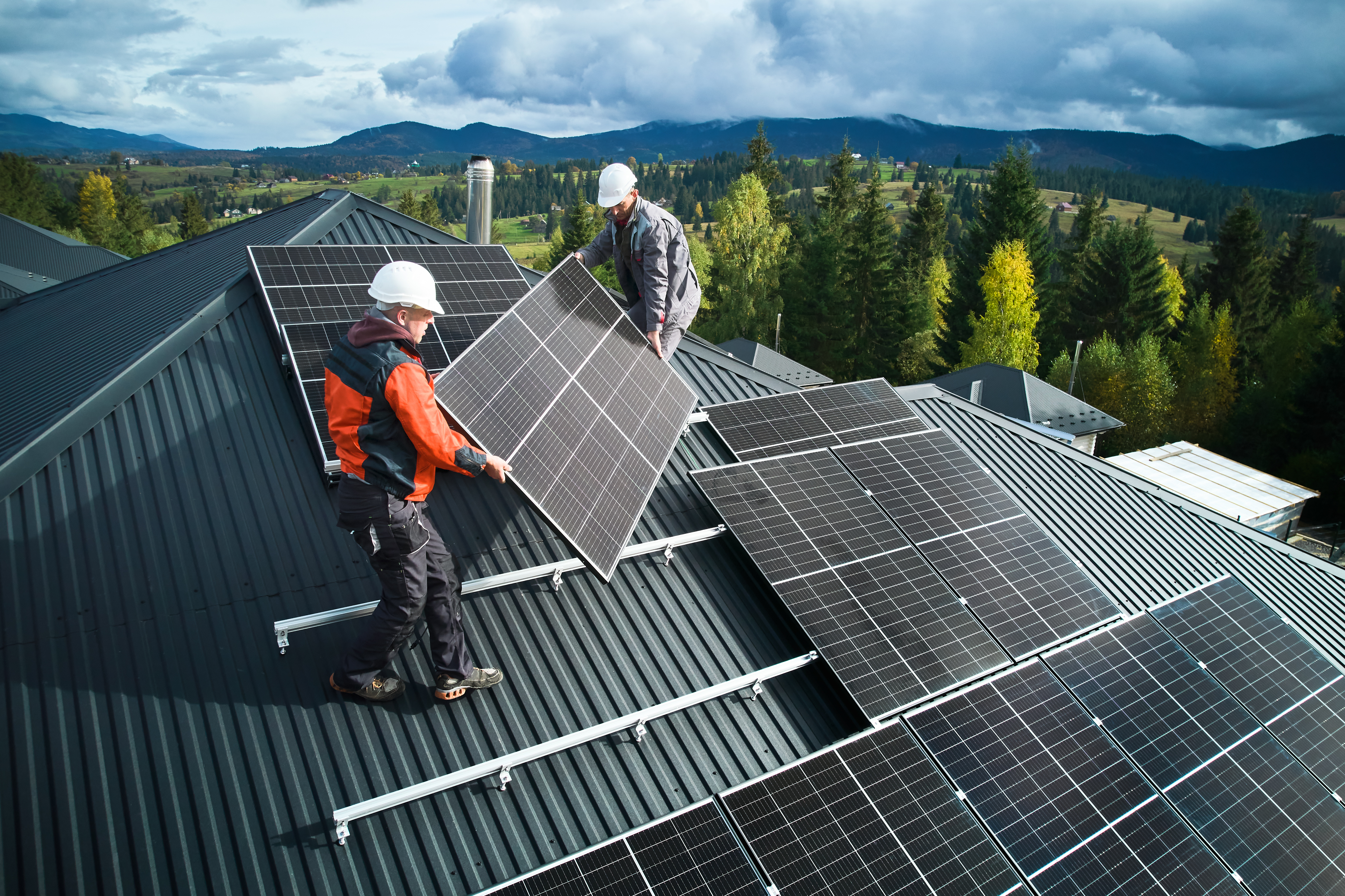
4. Physical Installation (1-3 days)
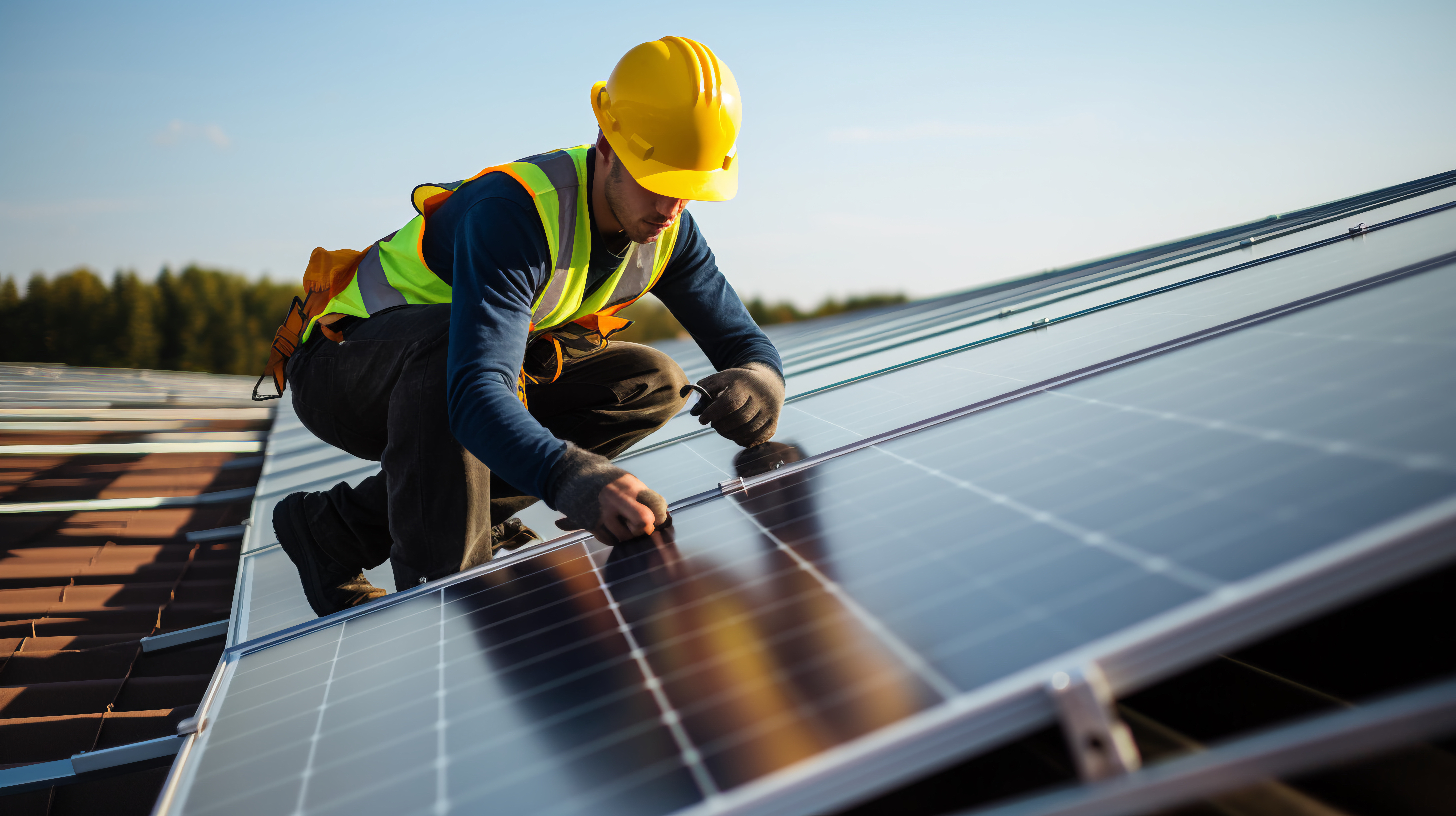
The actual installation is relatively quick for a standard system. A crew will install mounting hardware on your roof and secure the solar PV panels, and run conduit/wiring. They’ll set up the inverter(s) and, if included, the battery storage unit. Moreover, installers will perform any necessary electrical panel upgrades and connect the system to your home’s main electrical panel.
5. Inspections, Meter Swap, & Commissioning (2-4 weeks)
After installation, a council inspector must approve the work for compliance with the building code. Following this, your lines company will visit to install a new bi-directional meter (if required) that can measure both grid consumption and solar exports. Finally, your installer will commission the system, activate the monitoring software, and provide you with a comprehensive tutorial on how it operates.
6. Activation & Monitoring
Once the meter is in place and final approval is given, you can switch the system on. You can then track production and savings in real-time via a dedicated app, ensuring your system performs as promised.
From initial design to final activation, this structured process transforms sunlight into lasting value. For households and growing businesses alike, solar installation marks a decisive step toward energy independence, reduced operational costs, and a tangible commitment to a sustainable future.
The Bottom Line
Investing in solar energy is a strategic move that delivers savings, energy independence, and resilience. High rates and strong incentives highlight the value. Secure the best return by demanding tailored system quotes and maximizing available incentives. The financial, environmental, and energy security benefits make solar a compelling investment option now.